


The terms “neurodivergent,” “neurodiversity,” and “neurodivergence” seem to be buzzing around the mental health realm. These words have mostly been associated with Autism Spectrum Disorder (ASD) and recently had more of an association with Attention Deficit Hyperactivity Disorder (ADHD), Attention Deficit Disorder (ADD), Dyslexia, Down Syndrome, and other learning disabilities. But what exactly does this mean and why is it important to talk about this?
Understanding Neurodiversity
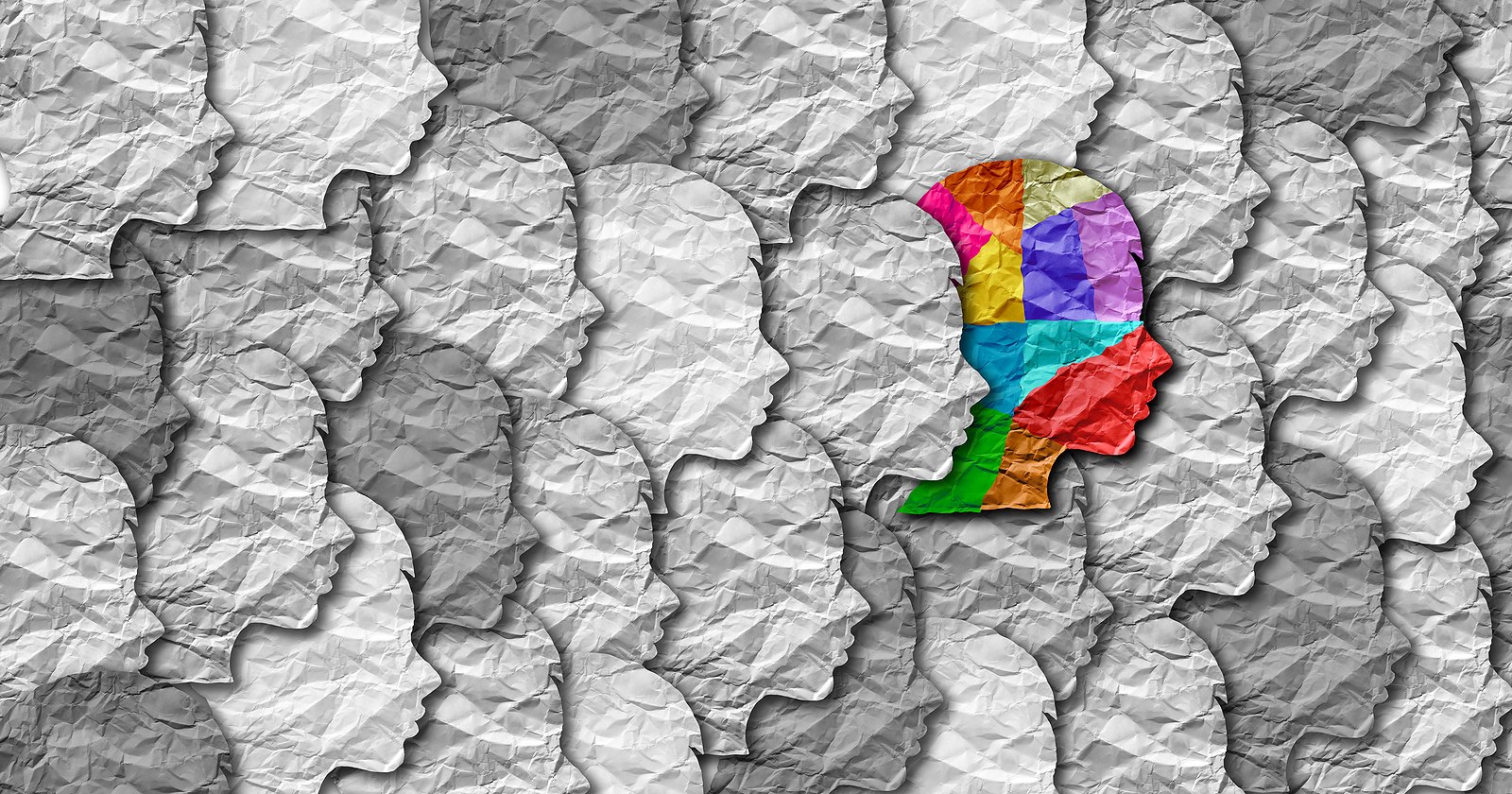
Neurodivergence, when broken down, means that the physical structure of the brain of someone who is neurodivergent is different than someone we would consider to be “neurotypical.” This is a fancy way of saying that our brains all can be “wired differently” and come in different variations the same way that we all have specific features, like hair color and eye color, that are different from one another. Different brain structure means that things we may consider “normal ways of learning, thinking, and behaving” are different for someone with a neurodivergence. These differences in learning, thinking, and behaving may include:
- Ability to concentrate
- Fine motor or mechanic skills
- Sensory sensitivities
- Memory processing
- Social skills such as authenticity, expressiveness, and honesty
- Problem-solving
- Intuition and empathy
- Visualization skills
- Pattern recognition and observational skills
The Problem with Neurodivergence and its Treatment in Mental Health
Many people have a misconception that someone who is neurodivergent can learn to think, act, or behave as someone who’s considered neurotypical. Often, because of this, individuals struggle to find a clinician who truly understands their needs and structures sessions in a way that works for them. Or they end up being referred to a clinic that may have more “generalized” therapists who typically have treated all neurotypical clients. Let’s think of it this way: You may not get the same treatment, nor feel it was beneficial, seeing a therapist whose specialty is Generalized Anxiety Disorder when you have ASD.
Another problem is that people can often be misdiagnosed inappropriately due to an uncaught neurodivergence. For example, someone who may lack the ability to understand certain social skills such as empathy could be misdiagnosed as someone with a more severe diagnosis, such as psychopathy or anti-social personality disorder. There remains room for stigmatization and misconception. More accurate diagnostic tests can help to determine these extreme differences. Think of neurodivergence as how you would think about ethnicity, gender, ableism, and sexual orientation. We should not discriminate against one another for these identifications, yet sometimes, the ways in which we learn, think, and behave need to be different due to these identifications, and we all deserve to find those who understand us and know how to respond.

Supporting Neurodiversity
If you or someone you know has been diagnosed with a neurodivergent variation and need some helpful tips, here are some ways to be supported or to give support:
- Psychoeducation Regarding a Diagnosis: Not all neurodivergent diagnoses are the same, therefore you need to be educated on the differences and understand how even two people with the same diagnosis may experience the diagnosis differently.
- Create and Promote Structure, Routine, and Stability: Consistency is key. Often keeping yourself or your loved one on the same structure and routine can give the feeling of stability and connectedness. On the opposite end, giving ample warning of change(when able to) can help with someone processing abruptness.
- Build a Support Network: It’s important to build your network with people who understand and are there to support you and your loved one’s journey. This may mean seeking support through many different avenues and doing further evaluations to find people who “get you” and your situation.
Begin Working With A Miami Therapist
Receiving support in a neurotypical world can feel difficult at times, but our team of caring therapists would be happy to help you from our Miami-based practice. You can receive the support you deserve by following these simple steps:
- Contact our team to schedule an appointment
- Get to know a therapist from our trained team
- Start receiving the support you deserve!
Other Services Offered With Miami Vibes Counseling
Our team is happy to offer a variety of mental health services. Other mental health services include CBT, ACT, TF-CBT, and parenting support. In addition, we are happy to offer treatment for depression, stress, trauma, grief, and anxiety therapy. Our team is happy to provide support for life transitions, infidelity, children, and families. Learn more about our other services including ESA letters, support for business or employment stress, spirituality, and online therapy. Visit our blog or FAQs page for more helpful info today!


